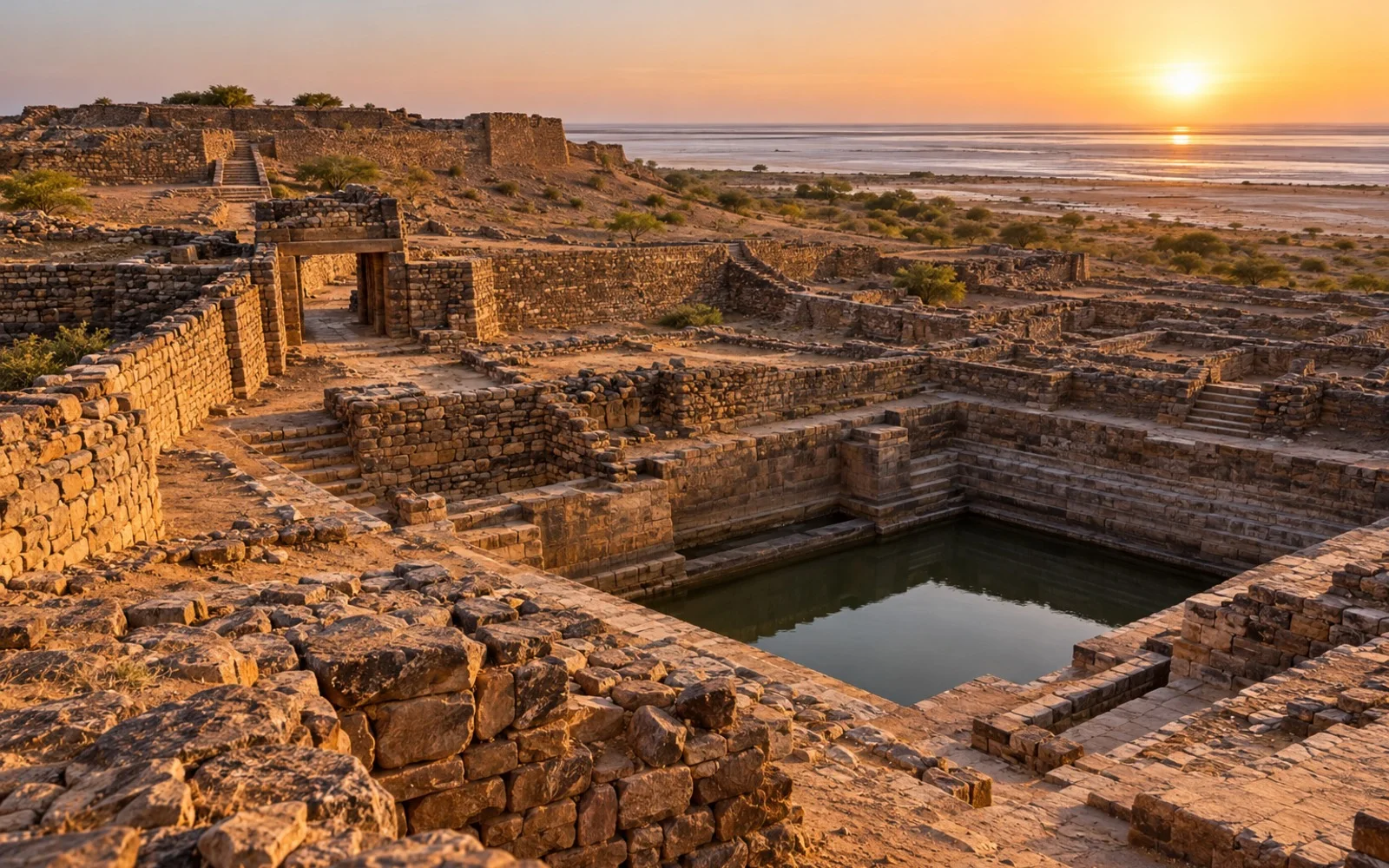
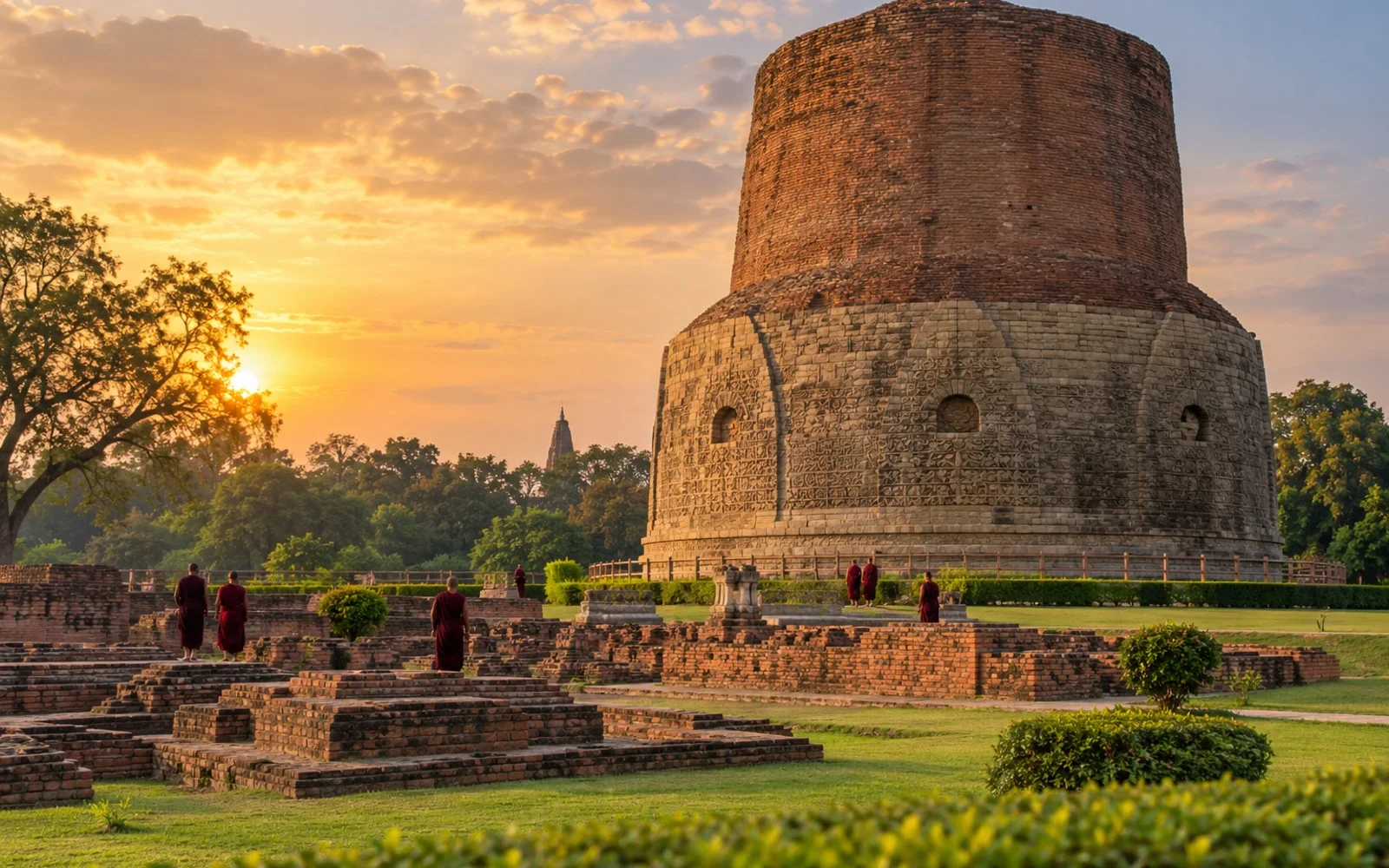
Its first verse names Kurukshetra, the “field of dharma”. Tradition places Krishna's teaching there; archaeology tells its own story of the region. Explore both, side by side.
Krishna asks Arjuna to let go of every limited idea of duty, identity, and self-reliance that keeps him trapped in fear and inner conflict, and to surrender wholeheartedly to the Divine. This is not a call to escape responsibility, but to place one’s actions and burdens in God’s care; Krishna promises freedom from the consequences of past wrongs and tells Arjuna not to grieve.
BG 18.66
”
कर्मण्येवाधिकारस्ते मा फलेषु कदाचन |
Your responsibility is to give your best to the work in front of you; the final result is never fully in your control. Do not act only for rewards, praise, or success, but do not use this teaching as an excuse to avoid action either. Focus sincerely on the effort, and meet outcomes with steadiness.
Bhagavad Gita 2.47
🪷
योगस्थः कुरु कर्माणि सङ्गं त्यक्त्वा धनञ्जय |
🪷
Do your work with a steady mind, without tying your peace to whether you succeed or fail. Give your best effort, but do not let the result control your inner balance; this calm equality is what Krishna calls Yoga.